Monday, April 9, 2012

Semana Santa

"here's some chocolate, Jeff, it's good for you and it'll make your tummy feel better."

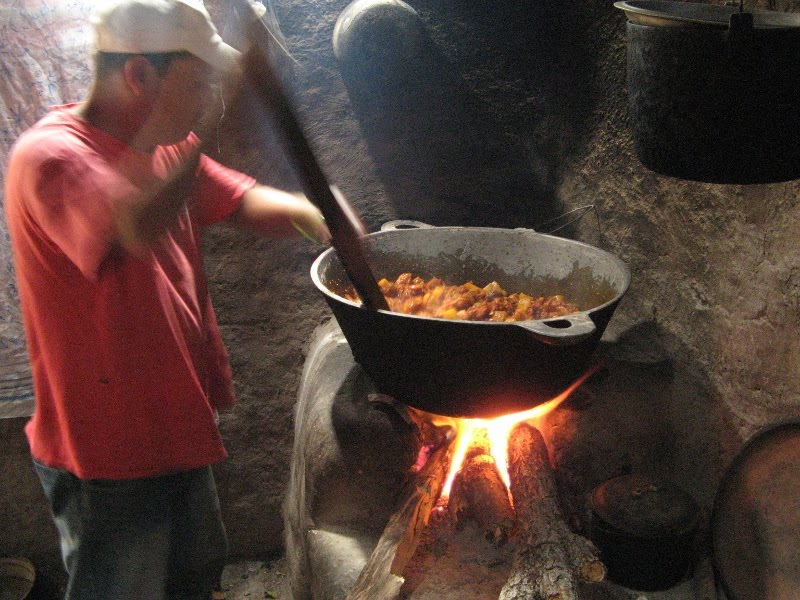
I'm not in the infirmary of a Harry Potter book, but I am lying on a cot in the Nicaraguan campo, sick to my stomach. Martha, my host mom, brings me a cup of hot pinolillo, a traditional cacao and corn drink. I ate way too much fatty pork at a celebration the day before, plus a host of other random stuff I nibbled on around town with dirty hands, which all took revenge on my stomach and intestines the next day.

I couldn't have picked a nicer place to be sick, and it was Easter week (Semana Santa) with nothing much to do but hang out. The break was a blessing though in that we had some nice bird watching on the back porch. I finally got a good look at a guardabarranco, the Nicaraguan national bird, and one of the most beautiful birds I have seen. Two were nesting in the back yard and we took a bunch of photos from my cot:
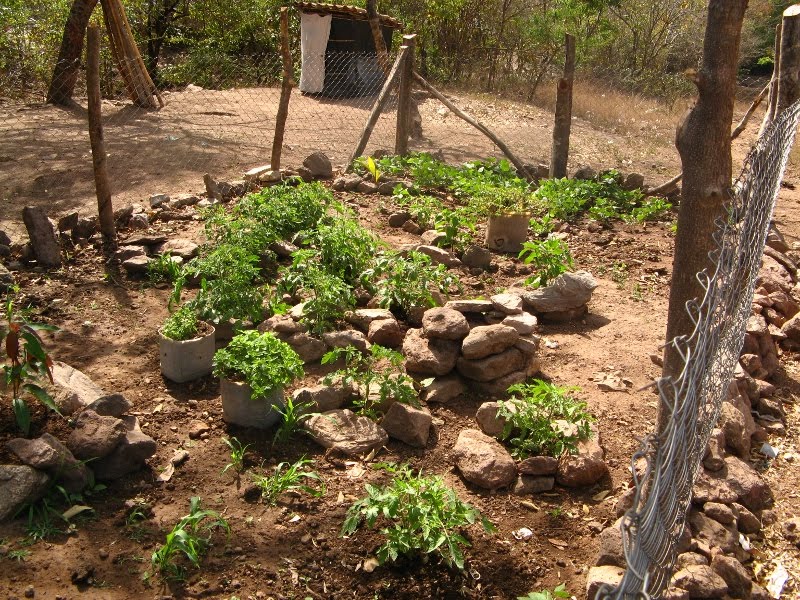
Things have dried out here a lot. The dryness crept up slowly, but most of the trees are leafless, and all the grasses are dry:
Remember what it looked like in November?
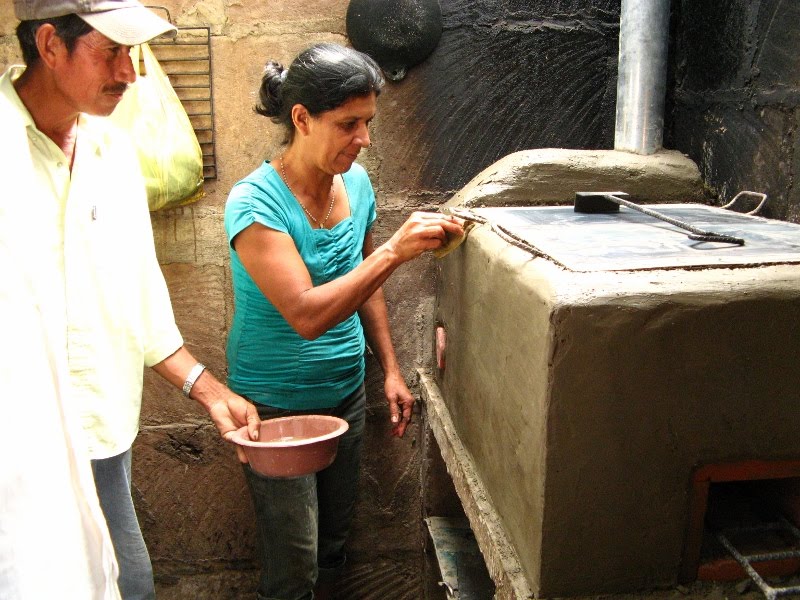
Everyone bakes for Semana Santa. They get their earthen ovens really hot with a fire inside:
And then they fill them up with corn and millet-based breads and sweets and eat them all week. I recovered from my sickness in a day and proceeded to eat lots of baked goods. It's not the Stehekin bakery, but it is fun to be around.

Then there are the jocotes, ripe and everywhere. The yellow ones are soft and sweet like a mango or a plum, the green ones are tart like an apple or a green grape:
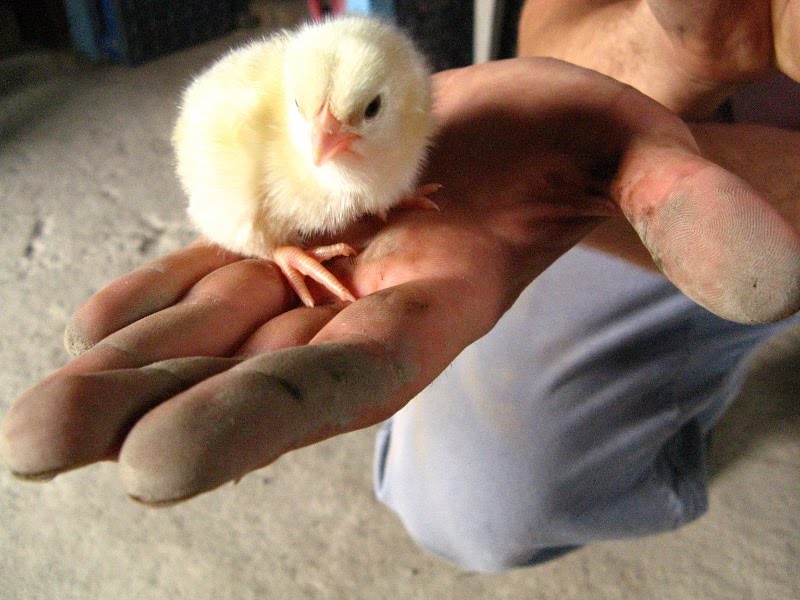
The ugliest chick in the world contest has begun:
We did some origami with a couple kids who were visiting. Thanks for sending the paper, Mom!
We don't have a lot more interesting photos to share yet. We're working on a couple videos, but that may still be a while. For the rest of our last week, Kate also got sick, but with a cold. Not as icky as my sick, but it's lasting a lot longer, as colds do. The Saturday evening church service was fun but long. It started out with a camp fire, complete with cheesy campy songs like "head shoulders knees and toes" or the Spanish version of that. We continued into the catholic chapel with candles for the vigil. After a round of Easter-like songs, they get to "glory glory halleluiah" when they turn on the lights and turn around all the Jesus portraits on the walls, which had been turned facing the wall. Then they returned to vigil with a couple hours more of campy songs in the chapel, and we got tired of standing but had a good time.

They announced during the service that the Easter Sunday service would be at 11:00 sharp, and we'd sing more songs. It turns out that as we were walking out, the priest-in-training (they can't afford full-fledged priests in the campo), announced that he had to leave earlier and that the service would be at 8:00am instead. But it was too late, we had already left. So half of the folks in our house heard the message, and the other half didn't. Kate and I slept in, and hostfather Toño headed out to do farm work super early (or very dark, as they say here) in the morning. They couldn't get the message to him, and I guess nobody had the courage to wake up the gringos, because by the time we woke up, song was pouring out of the chapel and Toño had just arrived back, exclaiming with disappointment that the service was just ending. So that was our Easter experience here.

We spent Easter afternoon visiting with people around town, stuffing ourselves with more baked goods and even more fried pork---a few days old by then. This morning, we took the bus ride back to Managua, which apparently everybody else in Nicaragua did as well, as the bus was overpacked with part of the crowd opting to sit on top of the only bus out of the villages. The exchange to the Managua buses was terrible and squished, but we made it all in one piece. Or two pieces, the two of us. Now we have a couple more days to prepare for our last few projects and community training sessions, and then we have two more weeks of visits planned to El Jocote, and then that's the end of our work here. So things are wrapping up quickly--but not done yet, so stay tuned, as we'll hopefully post a couple last updates and stuff.

Hasta luego!

P.S.
Here's a random video showing how chickens climb into the trees here


Sunday, April 1, 2012

Portraits of a week in the village

Just another typical week in the village, so I thought I'd share the week in sepia for a change.

On the way to El Jocote, we pass many highway towns, some with roadside fruit stands, one that only sells firewood, and our favorite that sells honey in recycled rum bottles. Richard grabbed a bottle for his upcoming return to the US:
After building two last improved cookstoves with Richard, we assisted with another set of solar irrigation projects with a group from the Oregon Institute of Technology:

We also tied their irrigation tank into the houses to bring their well water to their kitchen tap. The women carried their last buckets of water to the house in good humor (photo credits to Julie):
After getting the group started, Kate and I continued with some rounds of talking with families about projects. As the schoolteachers left town for a meeting, the kids ended up accompanying us instead of going to school:
Jocotes are ripening. The namesake of the town, this strange tree, leafless this time of year, sprouts green-turning-yellow fruit that the kids spend their days knocking down with sticks:
Faces sticky, pockets bulging with fruit, everywhere they are eating these little fruits and offering them to us as we walk through town.
Many families ask us to take pictures of their kids, since most of them don't have cameras available. They pose for us, but sometimes the unplanned moments are irresistible.
This family portrait included a portrait of the baby sister who passed away. We talked with a lot of people who have been through a lot of difficulties, but they all have such a peaceful happiness that makes us love to be there.
Our young guides, meanwhile, found a miniature chair to cuddle up in:
And later spent the afternoon singing and swinging on a hammock:
In true Easter fashion, there were baby animals everywhere, from chicks to puppies to piglets. Kati showed us the new delivery at her house that day:
And last but not least, I got to try my hand at riding a mule:
We came back to the city for some shopping and a volcano tour with the group, and we are heading back to the village tomorrow to spend the holy week and Easter with our people. See you back in this backwards modern world in a week or so!

Wednesday, March 21, 2012

Recovered and back to work


When a large group came to the office a couple weeks ago, there wasn't really enough room for everyone at the office nor at the village. We took advantage of the situation by taking a mini-vacation for a couple days. The idea came up when kate was working hard on her physical therapy, and her excersize pamphlet advised walking barefoot, walking in sand, and swimming, which we decided was a prescription for the beach.

Off we went to the nearest beach at the town of Masachapa and Pochomil. Masachapa is a sleepy little fishing town that turns into party central around the easter holidays:

Pochomil is a nearby "town" that is really just overflow restaurants and hotels. We weren't too crazy about Pochomil since it had these giant shelters lining the beach where thousands of people could park their cars and hang hammocks. Cars on beaches are a major turnoff to us, but we eventually found a nice little hotel with swimming pool on a quiet stretch of beach between Pochomil and Masachapa, which was slightly trashy and stinky of fish. The decent hotels were relatively expensive. $50/night is a lot here, especially when we are not earning money. But we enjoyed lots of delicious seafood:

And swam in the pool:

I (Jeff) also swam in the ocean, but the water was cold and I immediately got stung by a jellyfish and decided not to return to the waters after that.

After 4 full days of the prescribed sand walking, Kate felt ready to tackle the village again, without assistance, for the first time in 2 months. We pulled in just as the service-learning group was leaving, so we didn't get to meet them. But another quincianera party was brewing, and we ended up being the official photographers. It was fun to see how they carried the cake by foot 2 miles from a bigger village on the other side of the mountain:


The party started off awkwardly quiet

but as dark fell, the house filled with hundreds of people, many of them on horseback from neighboring villages. It was another all-night-music-blasting event that we were happy to experience, but happy to leave early and go to bed. When I woke up the next morning, the party was still going on.

We spent a week in the village, trying to meet with almost every household there to make up for lost time. Juan Jose's family butchered a pig one morning, and we got to see them buthcer the whole thing up in a matter of hours:

And cook the scraps into chicharrones and rendered fat:

They shared with us the deep fried pork, and we told them stories about how you never get meat this fresh in the USA.

Many of the houses we visited would offer us food and drinks, which sometimes makes us feel like they are fattening us up for some occasion.


Dona Inez introduced us to sticky-sweet puffed millet balls:

And we saw the progress in her garden that we helped her build:

We also started taking more videos of our experiences. I've been wanting to learn the full process of tortilla making, so I videoed the different steps, from nixtamalizing the corn to grinding and throwing the tortillas. It's a 5 minute video with full instructions so that we can hopefully reproduce it when we get home:


Kate put together a slide video of the kids here, too, as a way of practicing the video editing software. We don't have much actual video footage of the kids yet, but we're working on that.


Kate passed the final test of recovery by hiking about 1.5 miles down the steep rocky road to the bus stop to return to the office. We had plans for a big festival the upcoming weekend.

Kate, Richard, and I headed to San Jose de los Remates for the fiestas Patronales, their patron saint festival that includes all-night dancing and bull riding. There are no advertised hotels in San Jose, but from inside sources we knew of a ridiculously cheap room ($2 per person per night) that we could rent for the weekend. San jose lives in eternal spring due to its higher elevation, and is surrounded by green mountains, a great break from hot and flat managua:


We spent the first evening wandering town and the growing festival. There was a giant dance with a live band that night that went to 2:00am. We went to bed around midnight, but we were awoken by a drunk cowboy who ambled into our room after the dance when it finished. The door didn't really have a lock from the inside, just a little wooden latch held in place by a little nail, which the cowboy broke open in one drunken push, and then profusely apologised for walking in the wrong door. It didn't matter, as I was wide awake from adrenaline. After a couple hours of reading to calm me back to sleep, the street parade with oompah bands and fireworks started up at 4:30 and continued to about 7am. I finally got sleep between 7 and 10, and then we went out to join the second day of festivals.

We spent the afternoon in the rodeo, watching bull riding and fancy horses. We seemed to be possibly the only gringos that day (not a surprise since there aren't hotels there), so the occasional person would walk up to us and say something random in english.


I had never seen bullriding or a rodeo before, so I don't know if it's any different than a USA rodeo, but we had a lot of fun watching guys get bucked off bulls:

We even took some videos of the trip, most of them from the bull riding:


afterwards, Richard tried his hand at a gambling game somewhat like roulette.

On the way home to managua, the bus was quite packed due to all the party goers returning home. We finally had the camera available in a packed bus, so we decided to add a video of squished buses.

Our next goal is to continue talking with individual families and working on our education programs. We also have a group that just arrived and we are going to help them install more solar irrigation systems, and Richard and I will be installing more stoves as well. So we have a lot of stuff to do in what now seems like very little time left. We also bought our tickets back home. May 4 we will be arriving in SeaTac and we will get to know our new nephew and reconnect back with everyone else.

Wednesday, February 29, 2012

Lend me your brains

We have pretty much exactly two months left for working here in Nicaragua, which is starting to feel like a ridiculously short amount of time. Not only is there too much work to get done in that time, there's also way too much of my heart in El Jocote to leave behind just yet.


However, we have gotten the official news that we will be heading back to Stehekin and North Cascades National Park for the summer, which is very exciting. Dreaming about Stehekin made me realize the other night how many things in El Jocote remind me of life in Stehekin: People spend time with each other, not just their TVs and video games. Kids play outside. Everyone knows their neighbors really, really well, and wants to know their new neighbors really, really well. You can make real connections because time spent with people is time well spent.

The Stehekin School: NPS photo

These thoughts, and the desire to keep El Jocote with me forever, made me think of instigating a cultural exchange between the kids of Stehekin and the kids of El Jocote. I figured we could walk around El Jocote with our camera, taking pictures and video of what the kids do and how they live, asking them questions about their life and translating their answers, and show the results to the students of Stehekin School (all less-than-20 of them). I emailed with the teacher of the Stehekin School, and he's going to send pictures and perhaps video for showing kids down here what life up there is like.

This thought process led to considering making a video for you all, our super-fantastic blog readers. We can make a video of what we see and what we want to save, of course, but we'd love for you all to get answers to burning questions as well. Is there anything that you want to know about life in rural Nicaragua? We can do interviews with local folks, or just video ourselves wandering around, whatever is needed to answer your questions.

The list is already started, thanks to my mom, who can always be counted on for coming up with great questions:
Does daily life vary much from month to month because of the weather?
When kids aren't in school, what do they do all day?
What kinds of jobs do people get?
How many stay in the village when they grow up and, if they leave, where do they go?
Do the residents travel much (e.g., to Managua)?
How much time do women spend on cooking, cleaning, and generally running a household?

What do *you* want to know about?

Monday, February 27, 2012

projects developing

Tropical vacations behind us, we got back to work at the office preparing for our latest trip back to El Jocote. The main reason for our latest visit was to continue with our environmental training sessions with the community. Richard, our fellow intern, and I came in a day early, while Kate stayed back because she still has to depend on the truck to bring her in. Jaime, our boss, only came with the truck for the friday afternoon workshop.

Richard and I checked out a couple of our older projects to see how they are doing. We came across the field of tomatoes in Juan Jose's and Juan Valerio's farm, watered by the solar irrigation system installed by the Presidio group in mid-January. The tomato plants were knee-high and filled with small green tomatoes already.


Next, we checked out one of the patio gardens installed by the Havurah Shalom group around the new year. Dona Inez's garden was also filled with green shrubs of tomatoes, chiltomas (sweet peppers), plantains, corn, and avacado and mango trees.

On the way through town, we asked a lady about these logs that she had hanging from her eaves. "Honeybees," she said. We stepped back a little when we saw the little bees flying in and out of a hole in the log. "oh, don't worry, they're really tame. They don't sting!" She put her finger up to their exit hole and caressed a couple bees as they flew out.

Kate and the group came the next day greeted by a flock of kids and the standard excitement around town that always accompanies a truck. Carlos was passing by and he and Kate admired each others walking canes. Carlos was nearly killed when a car ran him over in Costa Rica a few years ago. With metal plates in his head and screws in bones throughout his body, he's lucky to be walking at all, let alone with a cane. He also may be lucky it happend in Costa Rica and not Niraragua, due to the more advanced medical care south of our border.

So we put on our second training session, really just a summary of the first one plus some activities. I talked a little about healthy rivers and problems of contamination around the world.

Kate talked about erosion and trash, and had the community take part in a activity to learn about biodegradability times for different trash articles.

When Kate went to turn off the computer after the presentation, a hoard of kids circled around her and asked her to show them stuff. The kids here are so inquisitive.

After Kate and the crew left back for Managua, Richard and I stayed back for another couple nights to install his first improved cookstove project here. We started by removing the old stove, which is nothing more than a horseshoe-shaped pile of bricks in the middle of the kitchen. Stick a pot on the top, burning wood in the open end, and you have a functioning kitchen stove, albeit smokey and inefficient.
The new stove has a frame of blocks with the "rocket elbow" in the center of it that functions as a combustion chamber. When properly insulated, the rocket elbow burns small amounts of wood very efficiently, with little smoke.

The elbow is insulated with ashes, which are kind of a mess to work with, but are very effective. Richard and the host brother Freddy are dumping in ashes.
Little Angelito wanted to help, and showed us that he can lift big blocks, too.

Angela put the finishing touches on her stove as we finished for the day. You can see the soot on the wall behind the new chimney. That's what the old stove left in the house after one year of operation. Imagine what that smoke does to the lungs of the countless women of Nicaragua who spend a large part of their lives in the kitchen.

When we finished, Angela asked us if we noticed the chicks hatching under the kitchen counter. She pulled out a pot full of chicken from the kitchen, and then lifted up the chicken to show a handful of fluffy chicks and some half-broken eggs below.

Richard held one of the fuzzy peeps and introduced it to its new, smokeless home.